
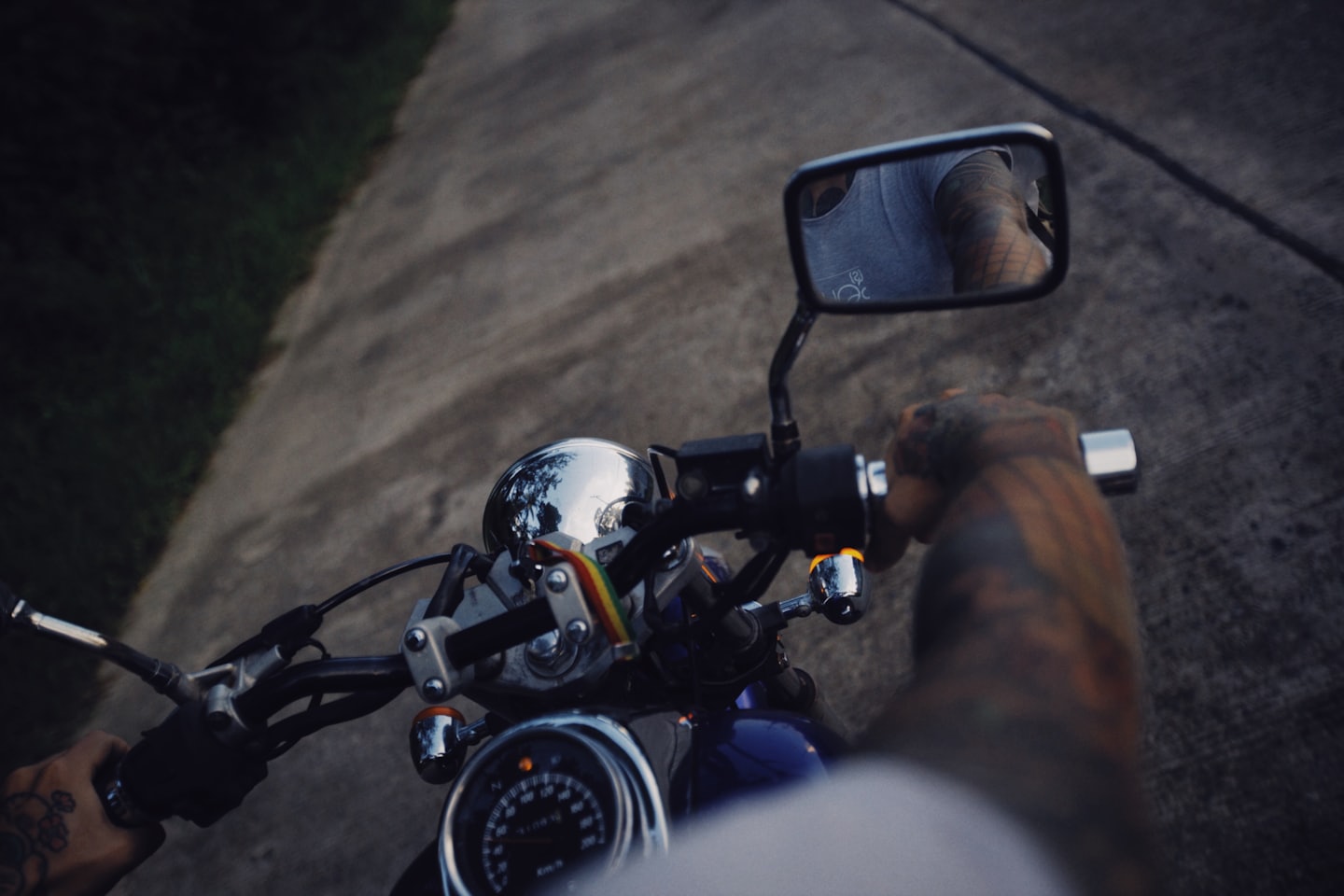
Riding on the back of a motorcycle looks simple from the outside—but in reality, the passenger plays a much bigger role than most people realize.
A good passenger doesn’t just “hold on.”
They move with the bike, support the rider, and help keep the ride smooth and predictable.
Here’s how to do it right.
1. Body position: move with the bike, not against it
One of the biggest mistakes new passengers make is staying stiff.
- Keep your upper body relaxed
- Follow the rider’s lean naturally in corners
- Avoid sudden movements or shifting your weight unexpectedly
Think of yourself as part of the bike—not cargo sitting on top of it.
2. Braking & acceleration: timing matters
Hard braking and fast acceleration are where most passengers feel uncomfortable.
During braking
- Expect forward force
- Brace before the bike slows sharply
- Avoid sliding into the rider
During acceleration
- Keep your core engaged
- Don’t pull backward or straighten your arms suddenly
When the passenger anticipates these moments, the ride becomes noticeably smoother.
3. Where to hold — and why it matters
This is where many rides go wrong.
Common but problematic habits:
- Grabbing the rider’s jacket
- Holding onto shoulders or arms
- Locking hands around the rider’s waist
These options:
- Transfer force into the rider
- Reduce rider control
- Increase helmet bumps and instability
A dedicated grip point gives the passenger confidence and allows them to brace independently—without interfering with the rider.
💡 A proper grip point doesn’t just make the passenger feel safer. It makes the entire ride calmer and more controlled.
Final thought
A great motorcycle passenger isn’t about strength—it’s about awareness, timing, and having the right support.
When the passenger feels secure, they relax.
When they relax, the ride improves for both of you.